


How To Optimize Your Veterinary Content for AI Overviews

AI search tools are changing how pet owners find and learn about veterinary care.
Today's Veterinary Business | https://todaysveterinarybusiness.com/
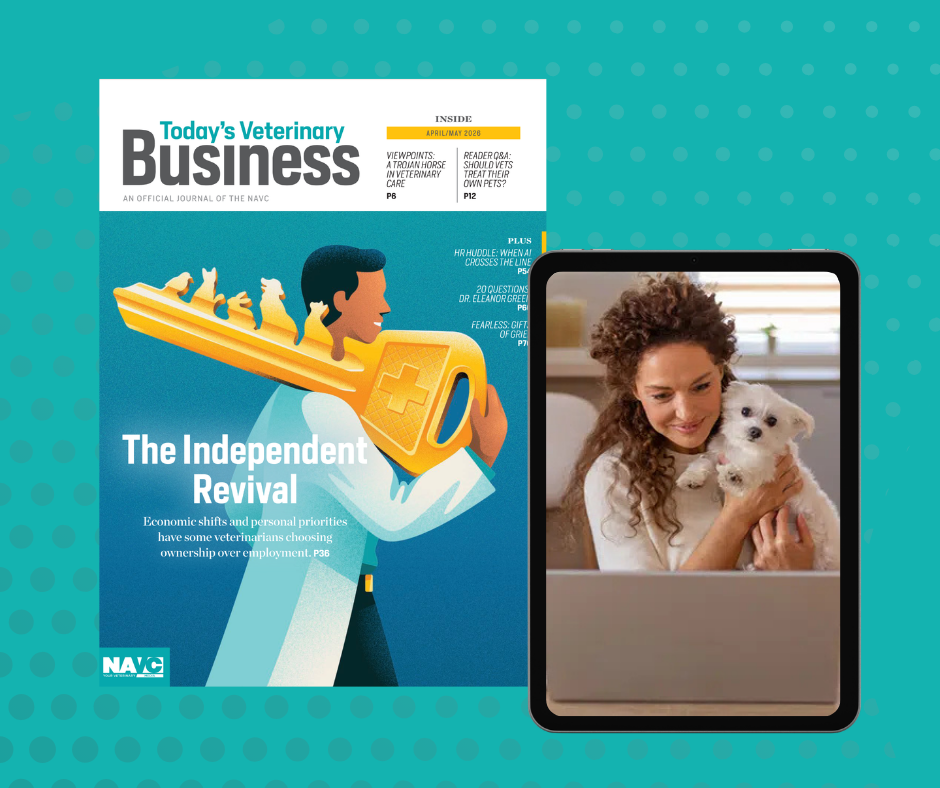
AI is the buzzword we love to hate … or hate to love. From assisting with administrative tasks to scribing and interpreting diagnostics, artificial intelligence is entrenched in most veterinary practices and, increasingly, in our clients’ daily lives. One of the newest frontiers is Google AI Overviews, which, combined with the rapid rise of AI-generated content, reshapes how marketing-forward veterinary practices approach search engine optimization and client engagement.
Our practices’ social media platforms and websites might no longer be the first place that pet owners go to learn about us. AI-generated summaries can appear at the top of search results, often above sponsored ads. That’s a visibility game-changer.
As AI became more prevalent, I noticed something interesting: Online traffic to some practice websites was coming from Google AI Overviews and tools like ChatGPT. Why? Pet owners are turning to AI for information about animal health. In return, AI tools are delivering content from practices.
At first, I was pleasantly surprised to see AI referencing veterinary clinics as sources. But then, I asked myself:
From which practices are AI tools delivering content?
Are they geographically close practices or clinics with the most relevant information?
What about practices with outdated websites and blog content?
The spiral continued until I took a deeper dive into the way AI content works and how it affects local veterinary practices.
Getting Your Content Into AI Overviews
To have your content appear in Google AI Overviews, create structured, authoritative, and concise answers to what are called “long-tail user questions.” Think of specific questions clients might type, such as “What do I do when my dog eats chocolate?” Google wants to deliver a response, so if the answer comes from your practice, the user gets a helpful and local answer.
I know what you’re thinking: Does this mean I have to write blogs? The answer: not necessarily. Google favors website pages that are well-organized and optimized for easy AI reading. A dental disease page on your website is just as effective as a blog post about dental disease. But remember: Your content should state more than just “Dental health is important, and our practice is proud to offer dental cleanings.” Instead, it should give concrete information about the disease and symptoms, as well as prevention, diagnostics, and the treatments your practice provides.
Here are five ways to get your content — blog, website page, or social media — into AI-driven summaries.
1. Answer Specific Questions
Google’s AI is programmed to pull from content that directly answers the searcher’s query. Long-tail keywords and clear, concise answers increase your chances of being included in an AI Overview. For example:
Question: “What can I do about my dog’s seasonal allergies?”
Answer: “Seasonal allergies in dogs can be managed with medications prescribed by your veterinarian, such as antihistamines or corticosteroids. Additionally, regular bathing to remove pollen and using air purifiers indoors can help alleviate symptoms. In St. Louis, spring and fall are especially tough due to high pollen counts, so consider limiting outdoor time during peak allergy seasons and using a vet-approved allergy treatment plan.”
2. Use Headings and Bullet Points
Google AI Overviews pull data from well-structured content. Use clear headings, subheads, and bullet points to break up information, improving readability and making it easier for AI tools to break down and summarize content.
For example, follow the heading “How to Manage Seasonal Allergies in Dogs” with bullets like these:
Administer allergy medications as prescribed by your veterinarian (antihistamines, corticosteroids, etc.).
Schedule regular veterinary checkups to monitor allergy symptoms and adjust treatments.
Limit outdoor exposure during high pollen seasons, especially in spring and fall in St. Louis.
Bathe your dog regularly to remove allergens like pollen from the coat.
3. Implement Schema Markup
This one is weird for veterinary professionals. Schema markup is a type of structured data that helps Google better understand and categorize website content. Implementing “Local Business schema” or “FAQ schema” is crucial to being featured in AI overviews.
A schema is a type of HTML code (used on the backend of website pages and blog posts) that adds specific details about your content, like an article’s title, an author’s name, a practice’s ratings or testimonials, and a practice’s address or phone number.
For example, when you search for a business or service on Google and see star ratings and an address in the first search result (without having to click the link), that’s schema markup. This is advanced, so ask your website developer about it.
4. Create Highly Authoritative Content
AI pulls content from trusted and authoritative pages. Focus on showcasing your expertise and aligning with Google’s E-E-A-T (expertise, experience, authoritativeness, and trustworthiness) guidelines. Here are some tips:
Explain concepts online just like you would directly with clients in the exam room.
Back up recommendations with links to reliable external sources.
Share patient stories and testimonials to demonstrate your clinic’s experience and trustworthiness.
5. Keep Content Concise and User-Centered
AI provides quick answers to users’ questions, so avoid lengthy paragraphs and aim for clear, actionable takeaways. Instead of writing a long blog post, compose a short, bullet-pointed guide. Remember that Google’s algorithms reward material that reflects E-E-A-T principles. Here’s how:
Expertise: Google favors content created by subject experts. Showcase your team’s knowledge through blog posts, case stories, and social media posts that highlight everyone’s credentials, from receptionists to veterinarians. Emphasize your practice’s certifications, such as Cat Friendly or Fear Free, and accreditation from the American Animal Hospital Association.
Experience: Content is more likely to rank well if it reflects firsthand experiences. Client testimonials, case studies, and authentic social media stories can demonstrate your practice’s hands-on experience.
Authoritativeness: Google wants well-researched and credible content. Suppose you want to write about parasite prevention. Include information about the parasites prevalent in your area, and link to trusted sources, such as the Companion Animal Parasite Council and the American Heartworm Society.
Trustworthiness: Google prioritizes reliable and transparent content. Ensure your social media and website content is fact-checked, clear, and aligned with best practices. Translation: Read everything a second or third time before you post it, especially if you got a little help from your ChatGPT friend.


There are moments when you just want a text field in a browser tab, nothing more. The page at notepad.cool delivers exactly that, with no sign-up or installation standing between you and the cursor.
The shift to AI Overviews means veterinary clinics need to prioritize concise, authoritative answers over keyword-stuffed pages—especially for common pet health queries. I've been using structured Q&A formatting on our service pages to capture those featured snippets, and it's made a noticeable difference in our visibility. Check out https://omni-gemini.net
The shift toward AI Overviews means veterinary clinics need to rethink how they structure FAQs and service pages for conversational queries, not just keyword density. I've been using a similar approach to track which questions pet owners actually ask, and it's made a huge difference in visibility—check out https://hailuo-ai.pro
The shift toward AI-driven discovery means veterinary clinics need to rethink how they structure everything from FAQs to service pages, and this breakdown makes that transition feel way less overwhelming. I’ve been using a similar approach to audit my own content, and the results have been eye-opening—check out https://gif-maker.net
Trump threatens 82 lottery new tariffs on European allies over Greenland until deal reached, as thousands protest...